
A properly implemented plant historian and data foundation consolidates SCADA, DCS, PLC and field data into a trusted, analysable environment — turning raw numbers into the engine of optimisation.
Modern processing plants generate enormous volumes of operational data every second, yet the vast majority goes untapped. Diagnosis is delayed, decisions are reactive, and optimisation stays out of reach.
Data lives in SCADA, PLCs, DCS platforms, sensors and instrumentation networks — with no centralised or unified view across the plant.
Limited historical accessibility and inconsistent, incomplete datasets force engineers back to Excel and manual extraction, shift after shift.
Information reaches engineers after the problem has escalated. The cost: lost engineering time, inconsistent decisions and missed optimisation opportunities — every single shift.
“The real value lies in trends, not snapshots. Historical trending reveals how your plant actually behaves — the slow degradations, the recurring inefficiencies, the patterns that repeat across shifts and seasons.”Smart Plant data foundation principle
Not all historians are created equal. The right platform is purpose-built for engineering environments across six critical dimensions — not adapted from generic IT infrastructure.
High-speed acquisition of time-series data with no gaps, stored reliably over years for longitudinal analysis and root-cause tracing.
Native connectivity to SCADA, DCS, PLCs and field devices — plus ERP, MES and BI platforms — eliminating silos across plant and enterprise.
Compare performance across shifts, days and months; analyse cause-and-effect through engineering-grade dashboards and reports.
A trusted, tamper-resistant foundation with role-based access control and audit trails to meet compliance requirements.
Zero data loss even under network disruption — high-availability architectures capture continuously across all plant conditions.
Grows with the plant as tag counts, data volumes and user demand expand — without performance compromise.
The connective tissue between your plant floor and your engineering decisions.
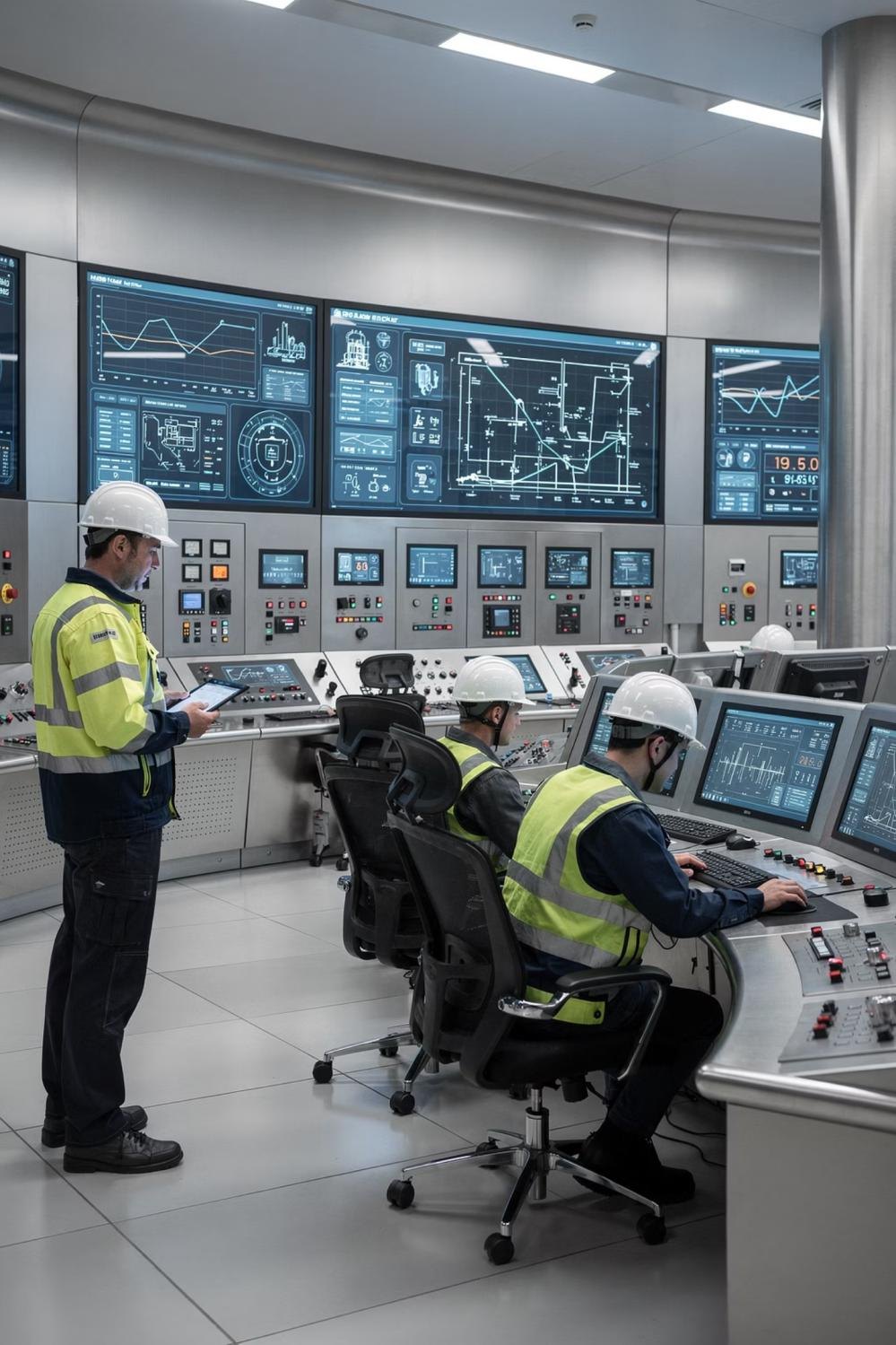
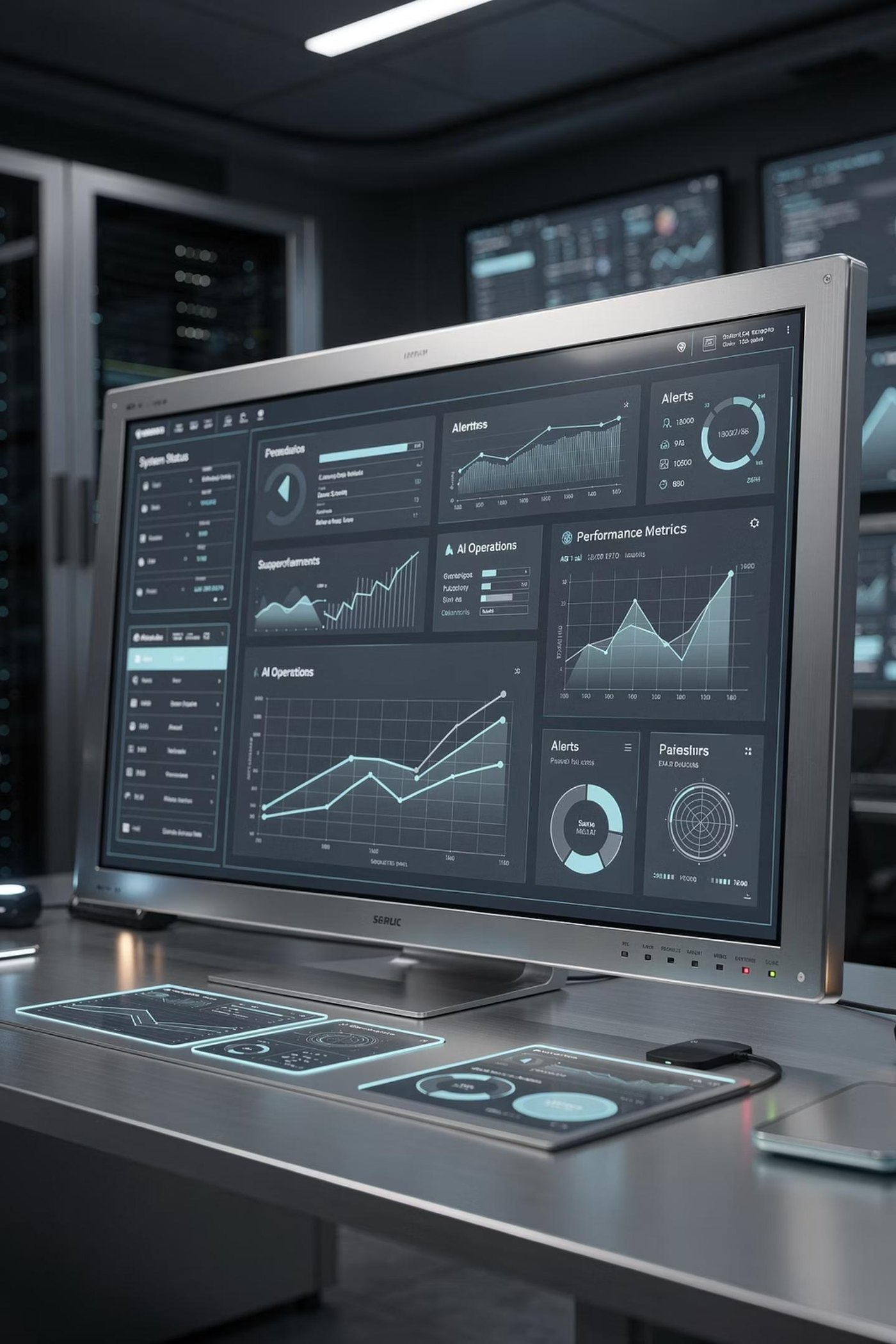
With a trusted data foundation in place, the entire operating model shifts: engineers decide faster, operators move from firefighting to intelligence-led control, and continuous improvement becomes a repeatable discipline.
The data foundation is the entry point to the quantified gains delivered in the layers above it — including the +5–15% throughput and +3–8% availability improvements realised through automated reporting (see Production & Engineering Reporting).
Delivered through the Talonite Three Horizons journey — Foundation → Optimise → Improve — with ROI tracked, validated and compounded through our Smart Eye value layer. Every solution, every discipline.
See how we deliver value →Slow degradation detection catches gradual recovery loss, creeping energy consumption and control-loop instability before they become costly problems. Recurring-pattern analysis exposes systemic issues invisible to real-time monitoring. The plants that invest in their data foundation invest in their competitive future.
An engineering-grade database that continuously records time-series data from SCADA, DCS, PLC and field instruments — creating a single trusted record of what the plant actually did, available for analysis, reporting and optimisation.
Every optimisation layer depends on the one beneath it. If the underlying data is incomplete or disputed, reports are argued instead of acted on, and advanced tools amplify noise. A trusted foundation makes reporting, control and AI possible.
Yes. The platform consolidates SCADA, DCS, PLC and field data across vendors into one environment — one source of truth from executive summary down to individual circuit.
We assess your current historian and data landscape, close the gaps, and stand up a trusted operational data environment ready for reporting, analytics and AI.